
Lektorat, Projektleitung, Produktion / Relecture, gestion de projet, production / Editing, project management, production
Bruna Bruno
Julian Salinas
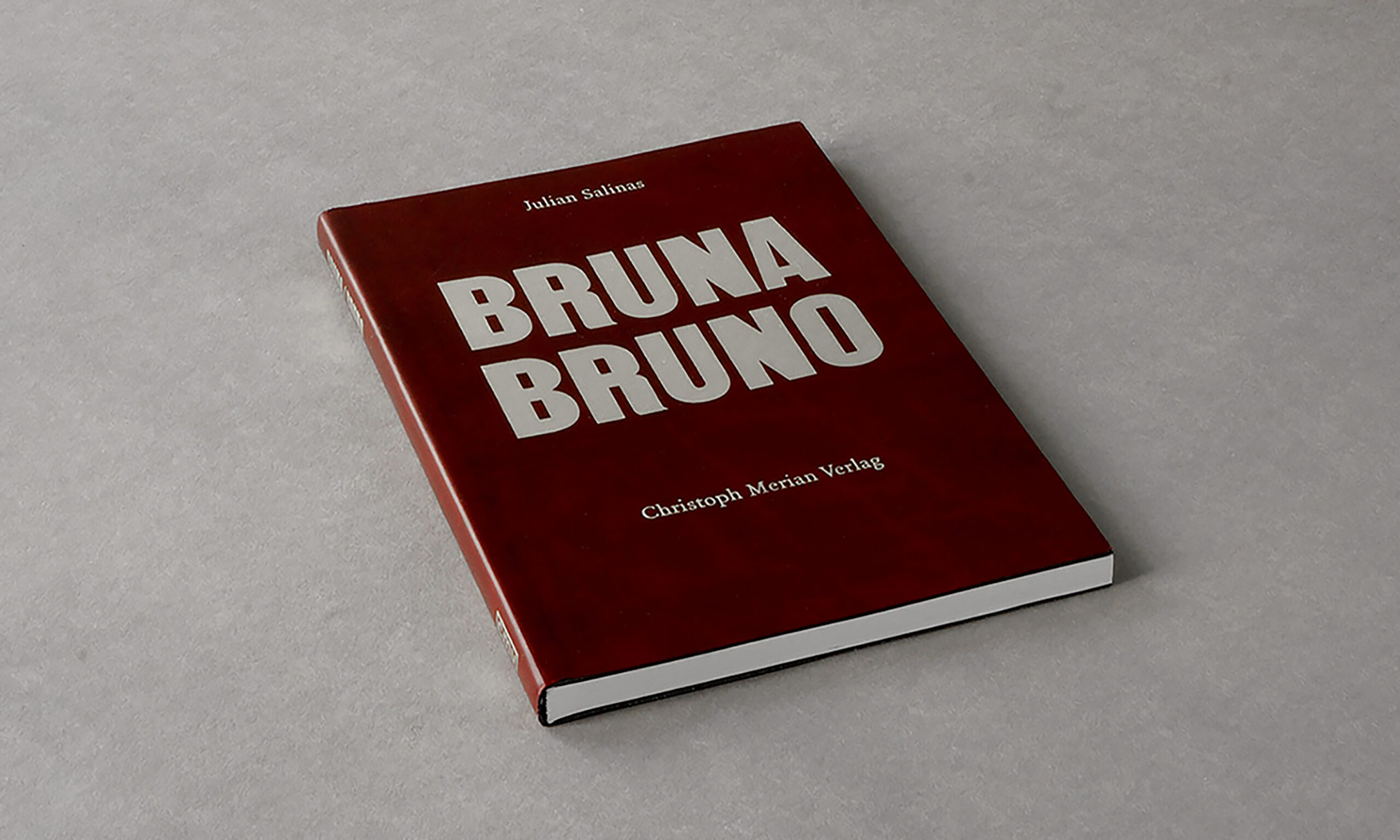
176 Seiten, 70 Farbabbildungen, Broschur in Ledereinband, 15 x 21 cm / 176 pages, 70 color illustrations, leather-bound paperback / 176 pages, 70 illustrations en couleur, brochure reliée en cuir. Deutsch/English/Français (Gestaltung/Graphic design/Graphisme: Ludovic Balland, Julia Goristidi (The Remingtons, Basel), Andreas Muster; Lektorat/Editorial reading/Lectorat: Claus Donau, Aude Boissaye, Manuela Seiler, Margie Mounier; Traduction/Übersetzung F>D: Manou Vonwiller; Traduction/Translation F>E: Pierre Le Dallic, Margie Mounier; Lithos/Lithography/Photolithographie: Andreas Muster; Druck/Printed by/Impression: Basler Druck+Verlag AG, bdv Basel; BindungBindings/Reliure: Schumacher AG). Basel 2006
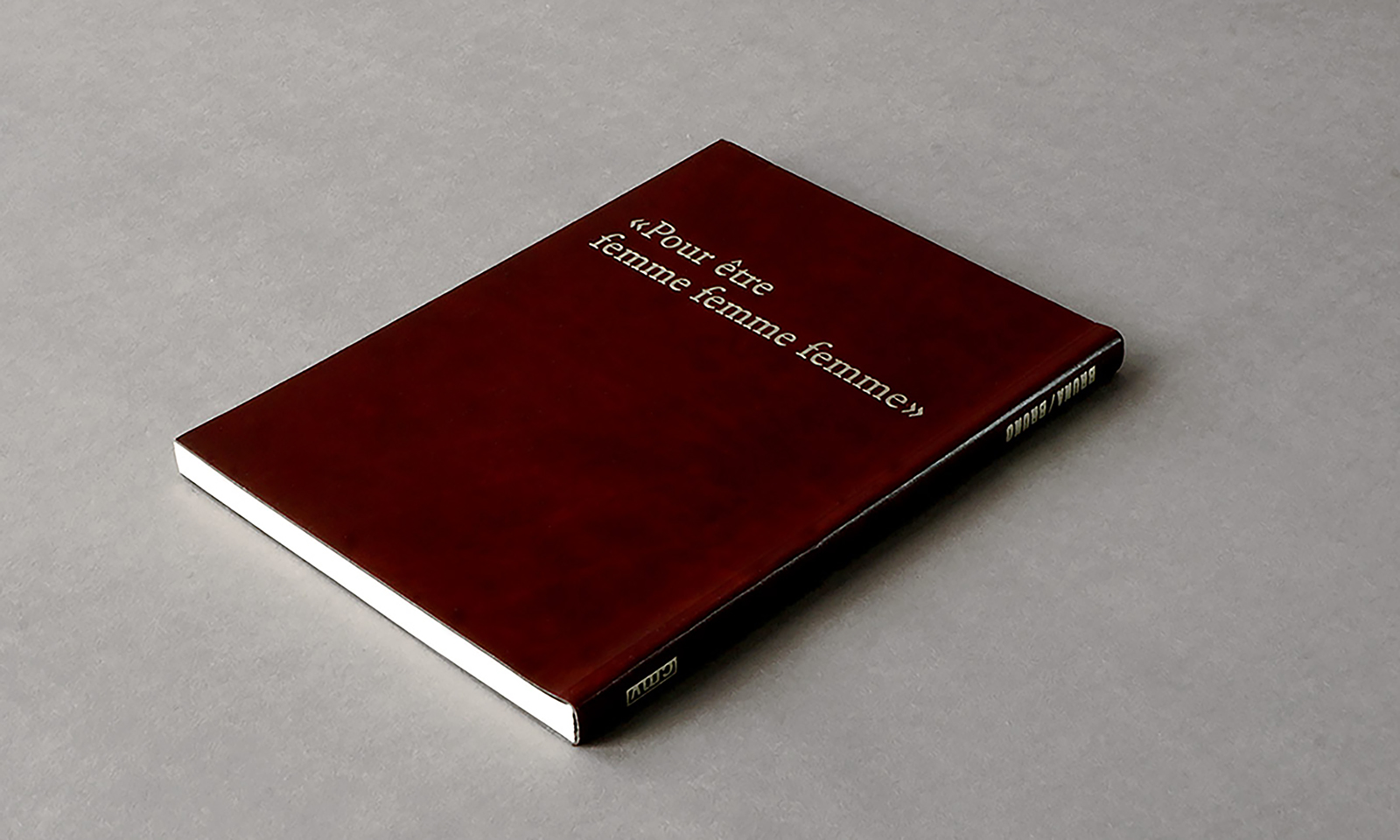
Die Sichtbarkeit von LGBTQ+-Personen in der Öffentlichkeit wuchs seit Ende der 1990er-Jahre. Schon zuvor war die Lesben- und Schwulenbewegung aktiv, jetzt organisierte sich auch die Trans*Bewegung, sie reflektierte und diskutierte Konzepte von Geschlecht, Maskulinität und Femininität. Während einer Residence an der Cité Internationale des Arts in Paris nahm Julian Salinas im 18. Arrondissement Kontakt zu Transsexuellen und Transvestiten auf und sprach mit ihnen über ihre Suche nach geschlechtlicher Identität. Kombiniert mit Interviews der Journalistin Aude Boissaye spiegeln die Fotografien die Zerrissenheit der Porträtierten und ihren geschlechtlichen Wandlungsprozess. Frau oder Mann? Salinas zeigt fantasmatische und stereotypische Ikonen einer verschworenen Gemeinschaft am Rand der Gesellschaft, die – damals noch mehr als heute – in Tabus erstarrt war. Einfühlsam bewegt er sich auf seinem schwierigen Weg, sucht nicht das Spektakuläre und noch weniger Objekte sexueller Begierde, sondern das, was am wenigsten sichtbar ist: Menschlichkeit. Ein Vorwort des renommierten Schauspielers Jean-Claude Dreyfus leitet die Bildstrecken ein: «Schönheit ruht auf dem Bett der Vorstellungen, die jede*r davon hat, wie er*sie gesehen werden möchte.» Die in rotbraunes Leder gebundene Publikation formuliert auf der Rückseite ihre zentrale Aussage: «Pour être femme femme femme.»
La visibilité des personnes LGBTQ+ dans la sphère publique s'est accrue depuis la fin des années 1990. Alors que les mouvements lesbiens et gays étaient déjà actifs auparavant, le mouvement trans* s'est alors organisé. Il a réfléchi et discuté des concepts de genre, de masculinité et de féminité. Pendant une résidence à la Cité internationale des arts à Paris, Julian Salinas a pris contact avec des transsexuels et des travestis dans le 18e arrondissement et leur a parlé de leur quête d'identité sexuelle. Associées aux interviews de la journaliste Aude Boissaye, les photographies reflètent le déchirement des personnes photographiées et leur processus de transition sexuelle. Femme ou homme? Salinas montre les icônes fantasmatiques et stéréotypées d'une communauté soudée en marge d'une société qui, à l'époque plus qu'aujourd'hui, était figée dans les tabous. Il avance avec sensibilité sur son chemin difficile, ne recherchant pas le spectaculaire, encore moins des objets de désir sexuel, mais ce qui est le moins visible: l'humanité. Une préface du célèbre comédien Jean-Claude Dreyfus introduit les séries de photos : «La beauté repose sur le lit des représentations que chacun a de la façon dont il souhaite être vu.» La publication reliée en cuir rouge-brun formule son message central au dos: «Pour être femme femme femme.»
The visibility of LGBTQ+ people in public has grown since the late 1990s. Lesbian and gay movements had been active even before that, but now the trans*movement was organizing. It reflected on and discussed concepts of gender, masculinity, and femininity. During a residency at the Cité Internationale des Arts in Paris, Julian Salinas made contact with transsexuals and transvestites in the 18th arrondissement and spoke with them about their search for gender identity. Combined with interviews by journalist Aude Boissaye, the photographs reflect the inner turmoil of those portrayed and their gender transition process. Woman or man? Salinas shows fantastical and stereotypical icons of a close-knit community on the margins of a society that—than even more—was frozen in taboos. He moves sensitively along his difficult path, seeking not the spectacular, nor objects of sexual desire, but what is least visible: humanity. A foreword by renowned actor Jean-Claude Dreyfus introduces the photo series: “Beauty rests on the bed of ideas that everyone has about how they want to be seen.” The publication, bound in reddish-brown leather, formulates its central message on the back cover: “Pour être femme femme femme.”